

Active/Passive Bystander: Thinking others will intervene in my place, why?
No need to have three years experience as a social worker or a bib that says security to feel empowered to intervene when we’re witnessing harassment or sexual based violence!
It’s never easy to intervene when you witness a form of violence, let alone when you are the victim. When we’re in a big crowd, in a lost corner or in a festival’s washroom, it’s possible to deal with this kind of situation. Fortunately, this blog entry is meant to equip you in these types of circumstances: The active bystander approach can help in guiding your interventions.
What’s stopping us from intervening in a situation that we may find unacceptable?
Some cognitive mechanisms exist to guide us towards helping someone. Those same mechanisms can be modified by outside influences. We’ve all been overly conscious of being observed or have had social anxiety. When we’re in a crowd, big or small, the feeling of responsibility can be diluted. This is what we call the bystander effect: It’s believing someone else will intervene in my place or the fear of being looked at sideways by others. If everyone ignores someone in distress, it’s easy to be influenced into doing nothing.
Before stepping in
Now that the bystander effect is better understood, we need to be able to spot sexual based violence. A good tip to spot this type of situation is to look at people’s reactions to being approached, talked to or touched. By paying attention, trust your feelings, your impressions and your values to decide whether you should step in. When in doubt, so what if you interrupt a group of friends or lovers! It’s always better to step in to confirm or to challenge your perception. If you don’t feel comfortable (which is totally okay), ask a friend to intervene with you or try to spot a GRIP team during festivals, we’re stronger together! If you don’t feel safe, don’t hesitate to get security agents or festival workers. If you’re outside of a festival, you can always call 911.
Stepping in
Before anything, an important aspect is trying to be as calm as you can be with the people involved and to focus on the victim.
These four strategies (4 Ds) can help guide your intervention:
- Direct: Directly addressing the person who’s seemingly living the sexual-based violence and asking if they’re okay.
- Distract: Attempt to create distance between the people involved or try to put an end to the interaction without addressing the problem. An example is asking the victim where the bar is or making it seem like you know each other.
- Delegate: Notify a security agent, a GRIP team, a bouncer, or call the police.
- Delay: Waiting until the situation has ended before going to see the victim. Some situations happen too fast for us to step in and that’s fine! To offer support and ensure everyone’s safety can make all the difference.
The Spotlight project, a helping hand!
It is essential to make sure of your own safety before stepping in to help someone else and to check in with yourself after stepping in. All emotions are normal and valid, take all the time needed to recover. Fortunately, we have a team of workers trained to deal with instances of sexual based violence as part of the Spotlight project. They will be present at all the festivals taking place at Jean-Drapeau park (Osheaga, Ilesoniq, Lasso and Piknic Électronik), in the vicinity of Plateau-Mont-Royal and at Jardins Gamelins all summer!
If you wanna know more about the Spotlight project, click here!
Stay informed

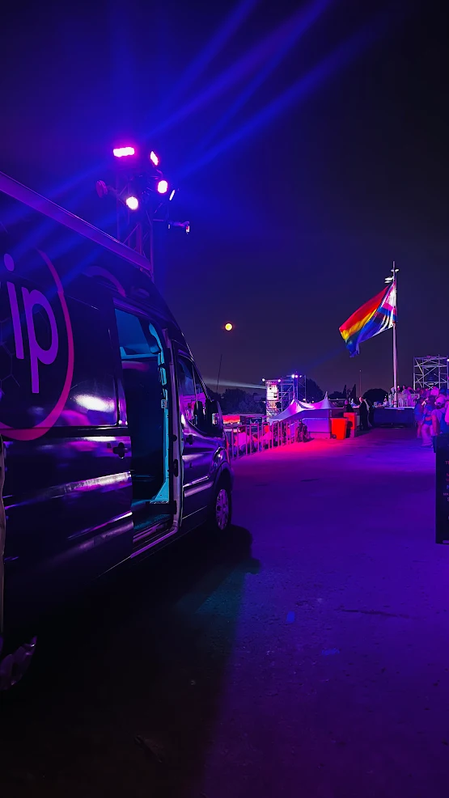


GRIP in action
GRIP in action
Want to know more about our mission and our different services? Visit our website or contact us

baladope
baladope
Mixing pleasures, reducing risks, alcohol behind the scenes.