
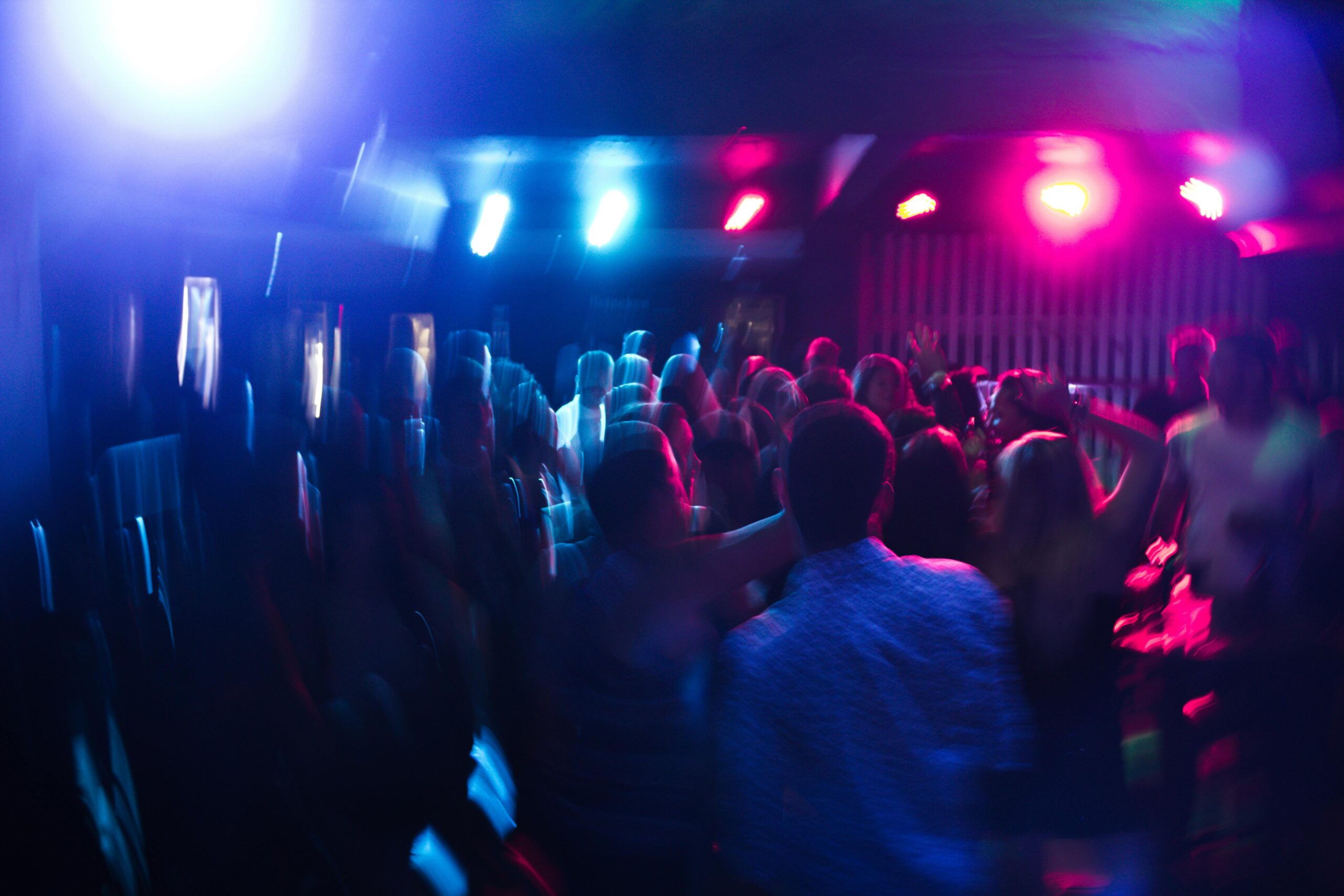
Having your drink “spiked,” being “roofied”, or consuming a substance without your knowledge all fall under the same concept: chemical submission. When we hear about chemical submission, the image that often comes to mind is the same: a party, a crowded bar, and a drink into which someone has discreetly slipped GHB.
This representation, widely spread by the media and social networks, gives the impression that chemical submission is limited to certain specific drugs. However, the reality is far more nuanced and much closer to us than we might think.
Indeed, chemical submission does not always involve GHB or other illegal substances. In most cases, it involves substances that are perfectly legal, normalized, and commonly consumed at parties: alcohol and cannabis.
What Is Chemical Submission?
Chemical submission is the act of administering a psychoactive substance either without a person’s knowledge, under threat, or through social pressure, and without their full consent. These substances can alter a person’s alertness, judgment, memory, or ability to say no, making them more vulnerable to dangerous or abusive situations.
GHB: The Myth of the “Date Rape Drug”
“Only GHB is used as a tool for chemical submission.”
Alcohol is the substance most commonly used in situations of chemical submission because it is legal, accessible, socially accepted, and already omnipresent in festive settings. It may be consumed in large quantities or encouraged insistently. For example, this can happen when someone buys you several shots in a row and pressures you to keep drinking, even if you no longer want to. Over time, alcohol builds up, your limits are exceeded, and your ability to say no or react decreases.Over time, alcohol builds up, your limits are exceeded, and your ability to say no or react decreases
“GHB is only used as a date rape drug.”
Voluntary GHB use is more common than involuntary use: more people consume GHB recreationally. These individuals are often stigmatized because of GHB’s “bad reputation” in popular culture. This stigmatization can lead to feelings of shame and isolation, making open discussions about substance use more difficult. As a result, some people consume more often alone, which significantly increases risks to their safety.
“There are reliable tests to detect GHB.”
The tools meant to prevent chemical submission are not adapted to reality. Tests designed to detect the presence of GHB in an alcoholic drink are not all effective and are influenced by the drink’s pH level. For example, testing a Mojito or a Margarita (which are very acidic drinks) can be enough to create a false negative, even if GHB is actually present. In reality, there is currently no reliable test that can determine whether a drink contains GHB. Despite this, these products continue to be sold, often by playing on people’s fears and concerns about this substance, creating a false sense of security.
“Drink covers prevent people from adding GHB to a drink.”
At GRIP, we believe that drink covers give a false sense of security to those who use them. As mentioned above, chemical submission most often occurs through alcohol itself, so a drink cover does not protect against this situation. Also, it is very easy to lift a drink cover and slip a substance into a drink quickly, without anyone noticing. The issue with these drink covers is that they place responsibility on people who are more at risk of being victims of chemical submission, as if it were up to them to protect themselves. We believe that responsibility must be taken collectively, particularly by addressing those who might commit these acts. We also believe that everyone should be made aware of chemical submission and what it truly involves. Everyone should be able to feel safe at a party without having to take additional protective measures.
Deconstructing myths helps us better understand what is unacceptable, name violence, and remind us of one essential thing: no one should be afraid to go out, celebrate, or simply exist in a festive space. Awareness is a first step, but it does not stop there. Creating safer environments also requires solidarity and a culture in which consent is non-negotiable.
Stay informed
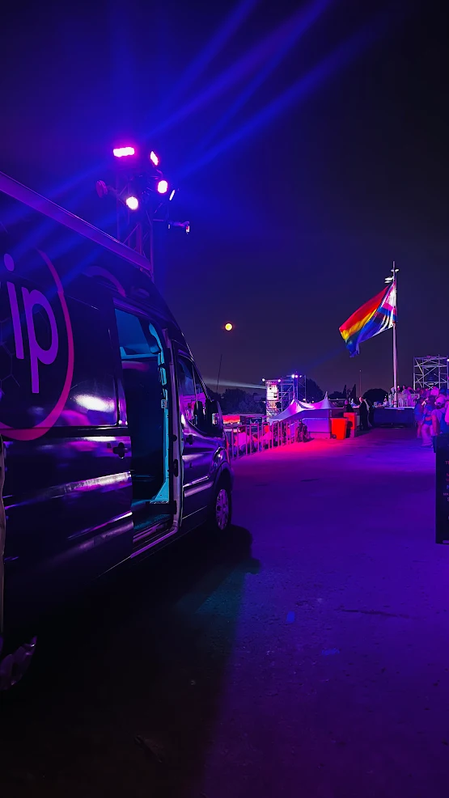

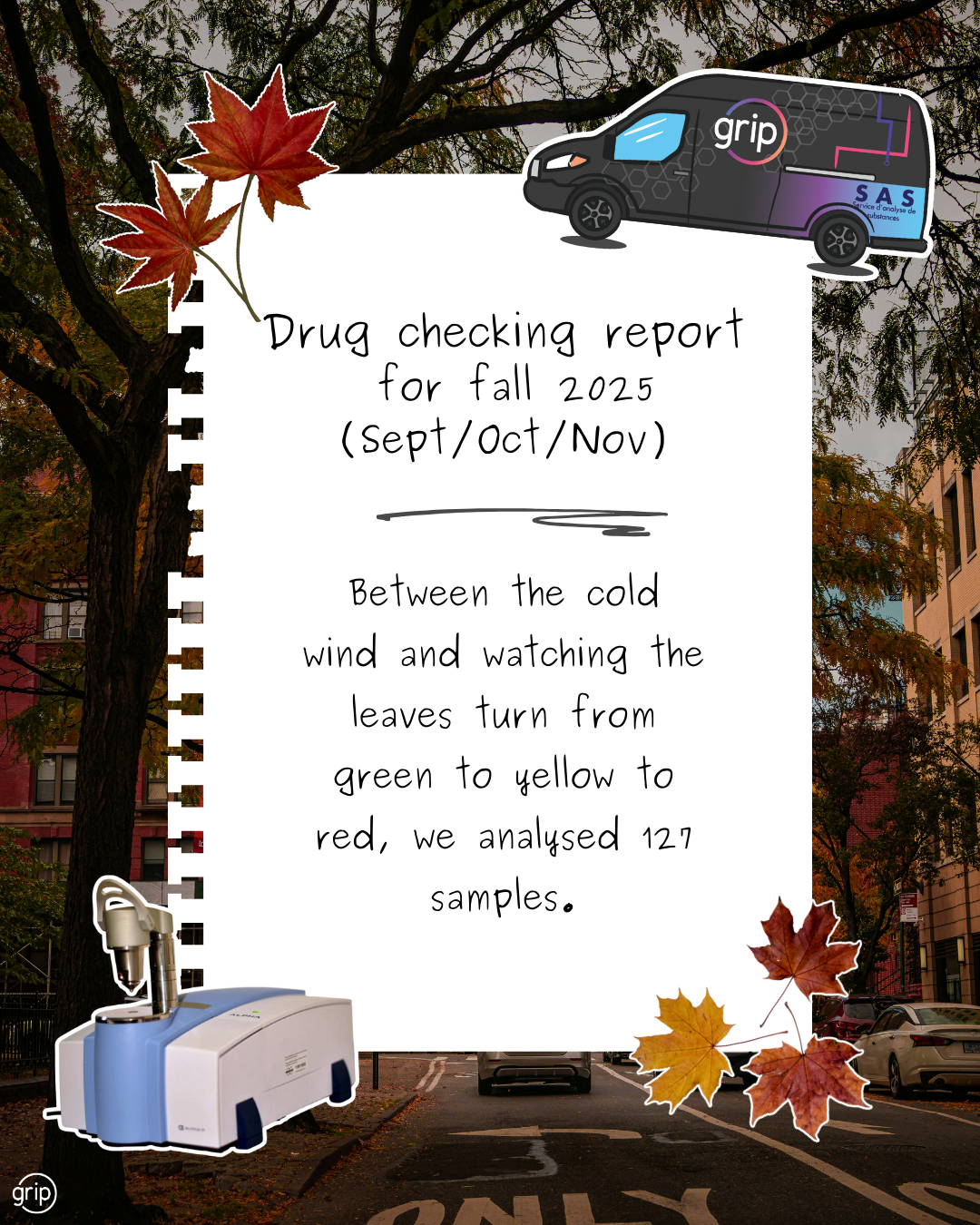
GRIP in action
GRIP in action
Want to know more about our mission and our different services? Visit our website or contact us

baladope
baladope
Mixing pleasures, reducing risks, alcohol behind the scenes.