
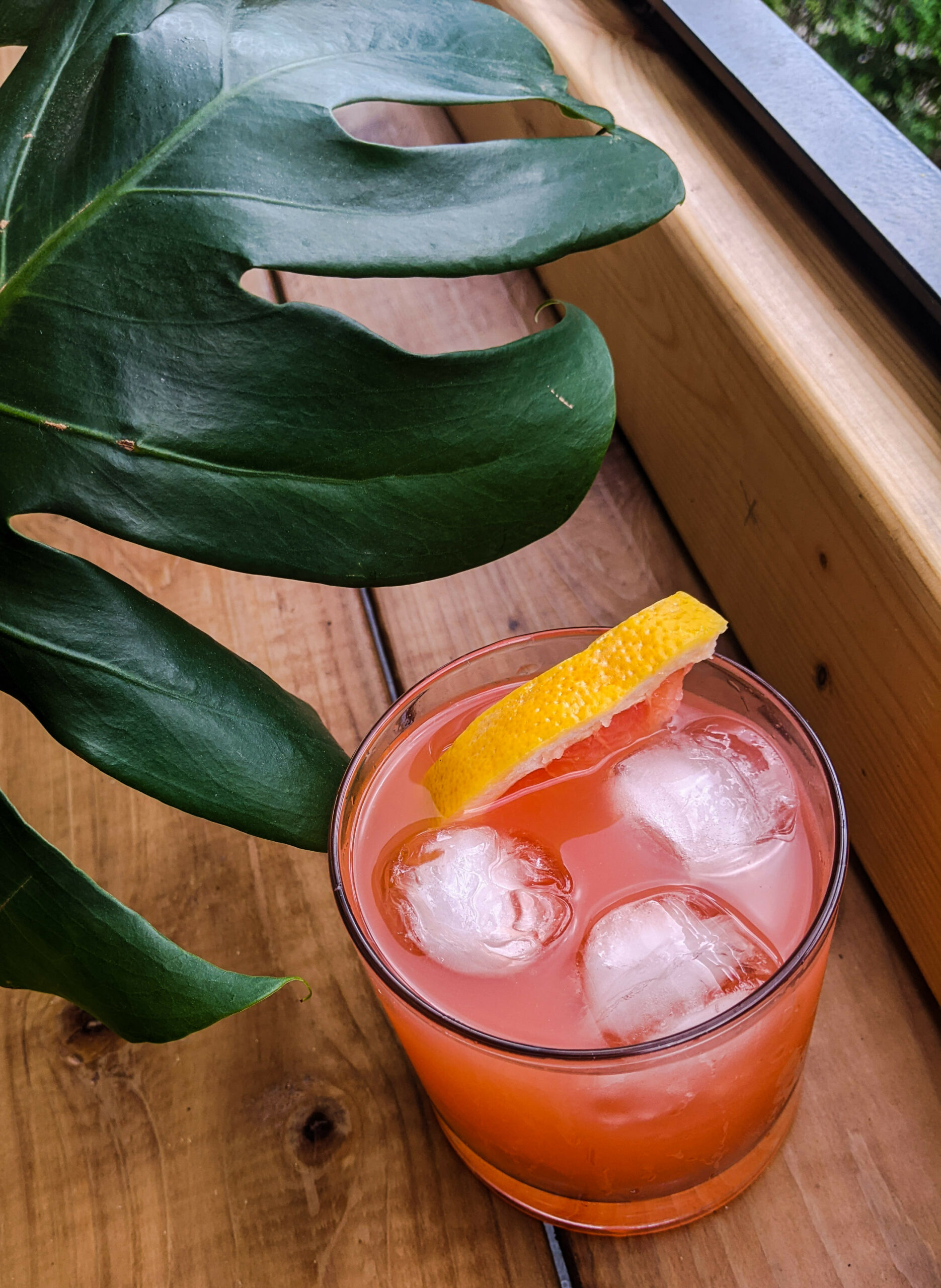
Alcohol ? But it stimulates me !
This is one of the most popular sentences we hear when presenting substance categories, specifically depressants! Sometimes, people tell us that it depends on the person; that it’s a stimulant for some and a depressant for others. So which is true?
Alcohol is part of a broad category of substances called depressants that actually has nothing to do with antidepressants or its tendency to cause depressions. It gets its name because it slows down the activity of the central nervous system, which tends to reduce alertness, heart rate, and body temperature. To better understand their specific effects, they are divided into classic depressants and opioids.
Classic depressants: much more than just alcohol
Although alcohol is the star of this category, it also includes GHB and benzodiazepines, sometimes called anxiolytics, such as Ativan®, Xanax®, and Valium®.In addition to the effects mentioned above, classic depressants tend to induce the following effects:
- relaxation
- disinhibition
- increased sociability
- well-being and good mood
- decreased alertness
- memory loss
to which may also be added:
- loss of muscle tone, also known as “unsteady gait”
- difficulty speaking
- nausea and vomiting
- dehydration, hence the importance of drinking water!
- decrease in reflexes
Disinhibition is one reason why some people may experience more stimulating effects when using a depressant. In smaller doses, these substances may reduce shyness or lower certain social barriers without causing fatigue or intense drowsiness, such as when we let loose at karaoke singing our favorite song. However, at higher doses, the relaxing and numbing effects will be more pronounced.
Opioids: beyond the media
Opioids, fentanyl in particular, have been the subject of numerous news articles in recent years and especially recently, with some politicians claiming they want to stop its trafficking and even keep it out of our hospitals—ironic considering that this is generally where it is used. These substances bind to the same receptors as other opioids naturally present in our bodies, such as endorphins. Opioids play a role in regulating pain and mood. It is their impact on the sensation of pain that greatly differentiates them from classic depressants.
Their effects include:
- significant analgesia + numbness
- drowsiness
- euphoria and intense well-being
- decreased anxiety
- decreased libido
- decreased concentration and increased confusion
- constipation
- difficulty speaking
The opposite of many of these effects can be felt during withdrawal, such as diarrhea, anxiety, depression, and increased pain. These substances can be naturally derived from the opium plant or be entirely synthetic. They include heroin, morphine, codeine, oxycodone, and fentanyl.
Finally, the category of depressants illustrates how, within the same category, certain substances can be greatly trivialized or greatly dramatized. In practice, one could even say that a bar is a supervised consumption site! Indeed, it is a place with a legal and regulated supply of a psychoactive substance, where the staff present can help us reduce the risks of our consumption.
As is often pointed out, regardless of the substance and its social perception, it is essential to be well informed about the substance before consuming it, whether it is alcohol or fentanyl. Feel free to check out our article on harm reduction strategies! Click here to see the article!
Stay informed

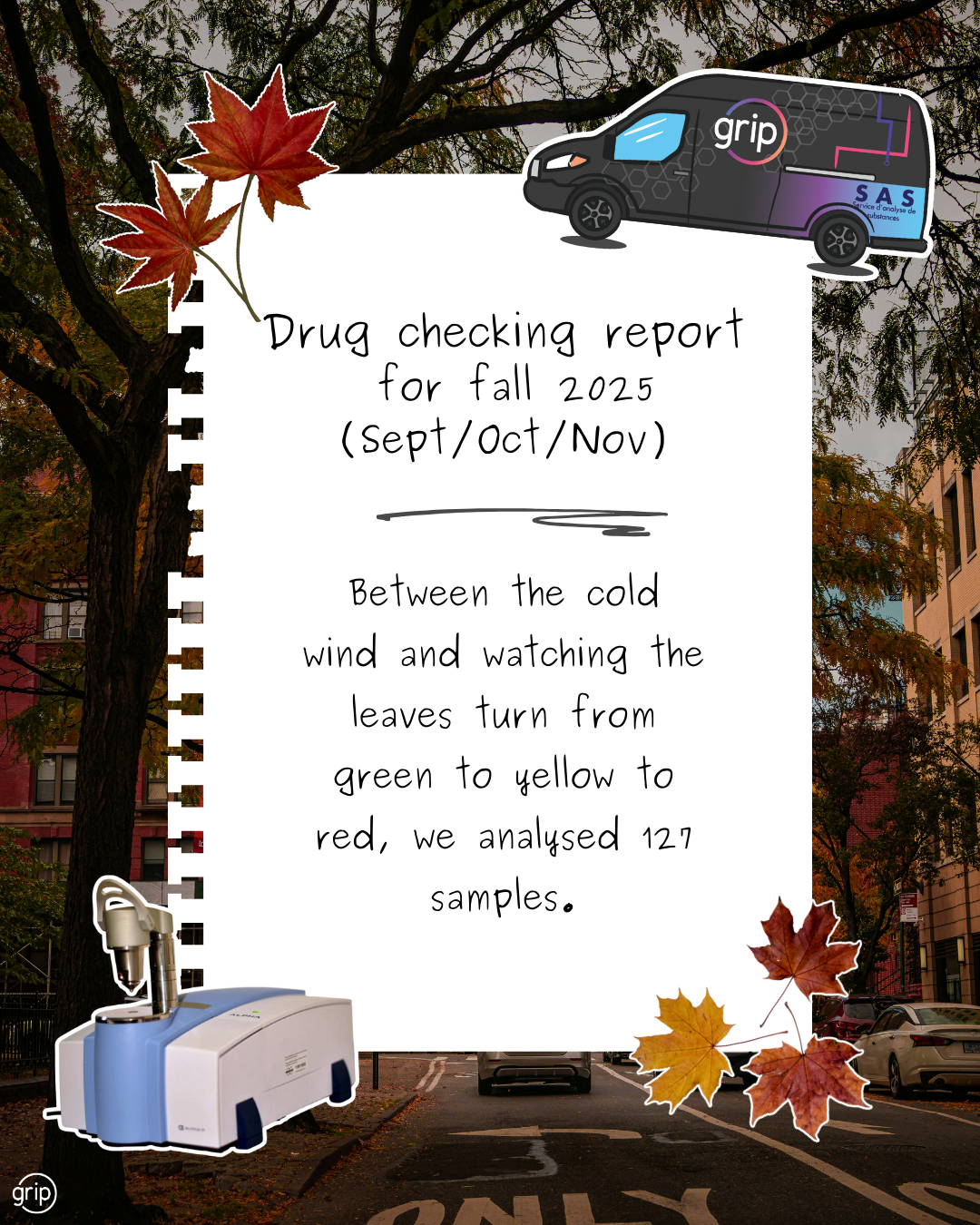
GRIP in action
GRIP in action
Want to know more about our mission and our different services? Visit our website or contact us

baladope
baladope
Mixing pleasures, reducing risks, alcohol behind the scenes.